

COVID Testing Clinic in Horizon City, TX
Finding a convenient COVID testing clinic in Horizon City, TX, can help you receive timely evaluation when you have symptoms, possible exposure concerns, or need testing for personal requirements. Urgent care clinics provide accessible testing options along with medical guidance to support your health needs. At UCare Urgent Care and Walk-In Clinic, our professional medical team offers convenient COVID testing services with a focus on providing efficient care and helping patients understand their next steps. We are committed to making healthcare access simple for individuals and families in the community. For more information, contact us or book an schedule an appointment. We are conveniently located at 13472 Eastlake Blvd, Horizon City, TX 79928.
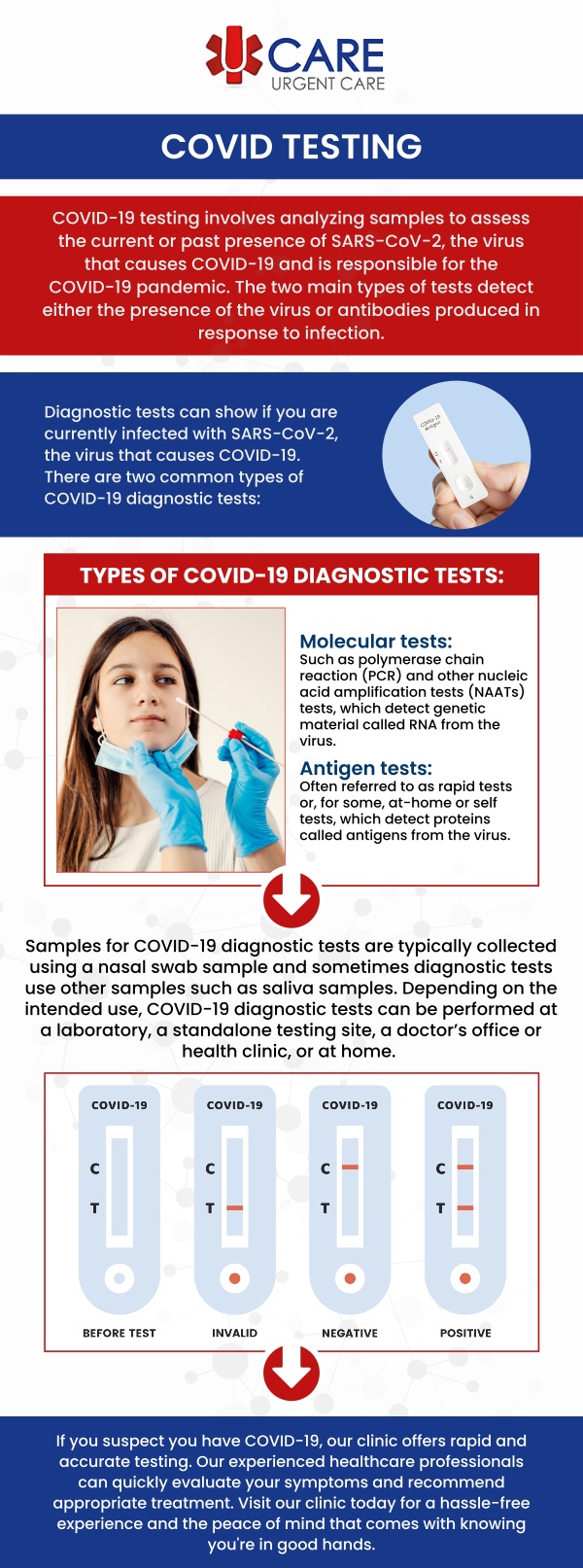
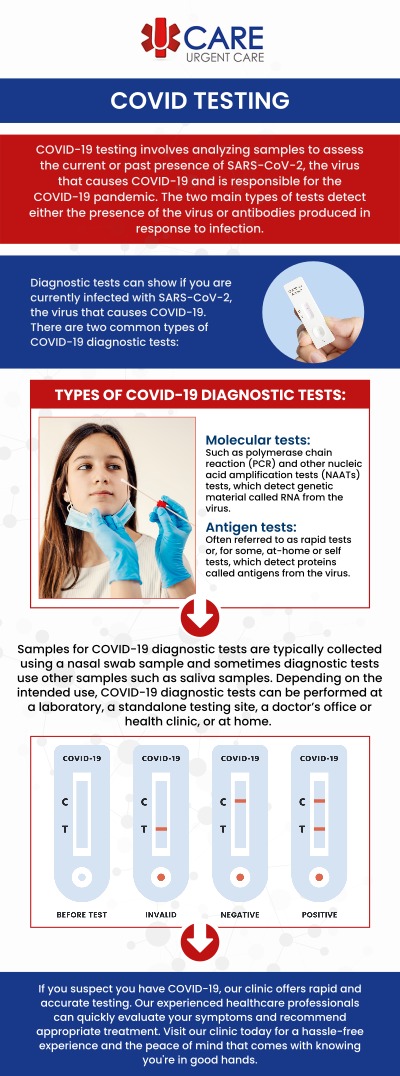
Table of Contents:
What are the common symptoms of COVID-19?
When should you get tested for COVID-19?
What types of COVID-19 tests are available?
How accurate are COVID-19 tests, and what does a negative result mean?
What precautions should patients follow before COVID-19 testing?
Are there any contraindications or safety risks associated with COVID-19 testing?
What should you do after testing positive for COVID-19?
Who is at greater risk of severe COVID-19 complications?
What treatment options are available for patients with COVID-19?
What are the contraindications and safety precautions for COVID-19 treatment?
What additional precautions are needed for immunocompromised patients?
How can patients safely manage mild COVID-19 symptoms at home?
When should patients seek emergency medical care for COVID-19?
What are the current COVID-19 vaccination recommendations?
What is Long COVID, and when should patients seek medical evaluation?
How can patients reduce the risk of spreading COVID-19?
Can COVID-19 testing produce a false-negative result?
Can someone get COVID-19 again within 90 days?
Should higher-risk patients wait for a positive result before seeking treatment?
How long can someone continue testing positive after COVID-19 recovery?
Is it safe to return to work after a negative COVID-19 test?
Can COVID-19 occur without a fever or cough?
Can children develop serious COVID-19 complications?
Get COVID Testing Support at UCare Urgent Care and Walk-In Clinic in Horizon, TX
Medical References
COVID-19 can cause symptoms ranging from mild discomfort to serious respiratory illness. Symptoms may appear 2–14 days after exposure, although many infections become noticeable sooner. Some people experience no symptoms but can still transmit the virus.
Common symptoms include:
• Fever or chills
• Cough and sore throat
• Nasal congestion or runny nose
• Fatigue and muscle aches
• Headache
• Shortness of breath
• New loss of taste or smell
• Nausea, vomiting, or diarrhea
Not every patient develops a fever or cough. Symptoms can also change throughout the illness, and there is no predictable timeline for when they will improve or worsen.
Because influenza, RSV, and other respiratory infections may cause similar symptoms, testing can help clarify the diagnosis. Patients with worsening symptoms or underlying health conditions should seek medical evaluation.
Patients experiencing possible COVID-19 symptoms should consider testing as soon as symptoms develop, particularly if the results may influence treatment decisions or precautions around others.
For people without symptoms who have been exposed to COVID-19, CDC guidance recommends testing at least five full days after exposure when using an antigen test. Testing immediately after exposure may produce a negative result before the virus becomes detectable.
If symptoms develop during this waiting period, patients should test promptly rather than waiting until the fifth day.
Testing may also be appropriate before visiting someone at increased risk of severe illness or when required by a healthcare facility, employer, or other organization. For those planning to attend gatherings, testing close to the event can provide more useful information than testing several days in advance.
Patients who have recently recovered from COVID-19 may need a different testing approach because some diagnostic tests can remain positive long after the initial infection.
Two main categories of diagnostic testing are used to detect an active COVID-19 infection.
Molecular tests, including PCR tests: These tests identify genetic material from SARS-CoV-2. Molecular testing is generally more sensitive than antigen testing and may detect infection when viral levels are relatively low. Some molecular tests require laboratory processing, while others can provide results more quickly.
Rapid antigen tests: These tests identify proteins from the virus and commonly provide results within 15–30 minutes. Although convenient, antigen tests may miss an infection, especially when performed early or in people without symptoms.
The most appropriate test depends on the patient’s symptoms, exposure history, previous infections, and reason for testing. Patients should contact UCare Urgent Care and Walk-In Clinic to confirm which diagnostic methods are currently available.
Antibody testing is not recommended for diagnosing an active COVID-19 infection.
COVID-19 testing is useful for identifying infection, but no diagnostic test is completely accurate in every situation. Test performance depends on the collection method, the timing of testing, viral levels, and the type of test performed.
A positive antigen result generally indicates infection. However, a negative antigen test does not always rule out COVID-19, particularly early in an illness.
The FDA recommends the following repeat-testing approach after a negative antigen result:
• Patients with symptoms: Repeat the antigen test at least 48 hours later, completing at least two tests.
• Patients without symptoms: Complete at least three antigen tests, separated by 48 hours.
• Patients with ongoing clinical concerns: A molecular test may be considered as an alternative to serial antigen testing.
A negative result also does not guarantee that a patient is no longer contagious or does not have another respiratory infection. Individuals with persistent symptoms, significant exposure, or additional medical risk factors should seek professional guidance.
Patients with respiratory symptoms should take reasonable precautions before visiting a healthcare facility to reduce the possibility of transmitting an infection.
Wearing a well-fitting mask, practicing proper hand hygiene, and limiting unnecessary close contact with others can help reduce transmission. Patients should consider contacting the clinic before arrival to ask about respiratory illness screening and infection-control procedures.
Patients should also inform the healthcare professional about pregnancy, weakened immunity, recent COVID-19 infection, or medical conditions that may affect their testing or care.
When using an at-home test, patients should carefully follow the manufacturer’s instructions regarding specimen collection, storage, expiration dates, and interpretation of results. Test kits should be kept out of reach of children and pets. Some testing solutions contain chemicals that may be harmful if swallowed or exposed to the eyes or skin. These solutions should never be ingested, and test components should not be used outside their intended purpose.
COVID-19 diagnostic testing is generally safe for most patients. There are few absolute contraindications to diagnostic testing itself, although some patients may require adjustments to the specimen collection method.
Patients should notify the healthcare professional if they have:
• Recently undergone nasal or sinus surgery.
• Experienced significant or recurrent nosebleeds.
• Known nasal abnormalities or obstructions.
• Previously experienced complications during nasal swabbing.
• Difficulty tolerating nasal specimen collection.
Nasal swabbing may occasionally cause temporary discomfort, sneezing, irritation, or minor bleeding. These effects are generally mild, but additional precautions may be appropriate for certain patients.
Patients should never force a swab against resistance or insert it deeper than the test instructions recommend. If a standard collection method is unsuitable, a healthcare professional can determine whether another approved sampling method is available.
A positive COVID-19 test generally indicates a current or recent infection. Patients should monitor their symptoms, take appropriate precautions, and seek timely medical advice if they have risk factors for severe illness.
Under CDC’s general community respiratory virus guidance, individuals with symptoms should stay home and away from others until both conditions have been met for at least 24 hours:
• Their symptoms are improving overall.
• They have been fever-free without using fever-reducing medication.
After returning to normal activities, patients should follow additional precautions for the next five days. These may include wearing a well-fitting mask, improving ventilation, practicing hand hygiene, maintaining distance when appropriate, and considering testing before contact with vulnerable individuals.
People who test positive but never develop symptoms should also take additional precautions for five days.
If symptoms worsen or a fever returns after normal activities resume, patients should stay home again until the improvement and fever-free criteria are met. These are general community recommendations. Healthcare facilities and certain residential settings may follow different infection-control requirements.
COVID-19 can cause serious complications in people of any age. However, certain individuals have a higher likelihood of hospitalization or severe illness.
Age is an important risk factor, especially among adults aged 65 and older. Adults aged 50 and older may also have increased risk compared with younger adults.
Other higher-risk groups include:
• Pregnant and recently pregnant patients.
• People with weakened immune systems.
• Patients with diabetes or chronic kidney disease.
• Individuals with cardiovascular or chronic lung conditions.
• People with certain cancers or obesity.
• Individuals with multiple underlying medical conditions.
• Infants, particularly those younger than 12 months.
• Children with certain complex or chronic medical conditions.
Patients with these risk factors should seek prompt medical guidance when COVID-19 symptoms develop. Early evaluation can help determine whether additional monitoring or treatment is necessary.
Many people with mild COVID-19 recover with supportive care, including adequate hydration, rest, and appropriate symptom relief. However, patients at increased risk of severe illness may benefit from prescription antiviral treatment following medical assessment.
Depending on the treatment selected, antiviral therapy generally needs to begin within five to seven days after symptoms start. Early medical evaluation is important because treatment effectiveness depends partly on beginning therapy within the recommended window.
For higher-risk patients with suspected COVID-19, clinicians do not always need to wait for a positive diagnostic result before starting appropriate treatment. Decisions should be based on the clinical findings, risk factors, exposure history, and the likelihood of infection.
Treatment eligibility also depends on age, medical history, kidney and liver function, pregnancy status, potential medication interactions, and other safety considerations.
Not everyone who tests positive needs prescription treatment. Patients should confirm directly with UCare Urgent Care and Walk-In Clinic whether antiviral assessment and prescribing are currently offered.
COVID-19 treatments are not appropriate for every patient. Some therapies have important contraindications, medication interactions, monitoring requirements, or age restrictions. Healthcare professionals should consider these factors before recommending treatment.
• Kidney conditions: Certain treatments may require dosage adjustments based on kidney function. Some patients with advanced kidney disease may still qualify for treatment under specific dosing recommendations, making individualized assessment essential.
• Liver conditions: Severe liver impairment may limit the use of certain treatments. Other therapies may require liver function assessment and clinical monitoring.
• Medication interactions: Some antiviral treatments can interact with cardiovascular medications, seizure medications, immune-suppressing therapies, and other prescription products. Potential interactions must be carefully reviewed before treatment begins.
• Pregnancy and breastfeeding: Certain antiviral options are not recommended during pregnancy, while other treatments may be appropriate following an assessment of expected benefits and potential risks. Breastfeeding precautions depend on the selected treatment.
• Allergic reactions: A history of serious hypersensitivity to a medication or its ingredients may prevent its use.
• Age and weight restrictions: Some therapies are approved or authorized only for patients meeting specific age or weight requirements.
Pregnancy alone should not be a reason to withhold an otherwise appropriate COVID-19 treatment. Decisions should consider both the risks of untreated infection and the available treatment options.
Antibiotics do not treat COVID-19 itself because it is caused by a virus. They may be appropriate when a separate bacterial infection is diagnosed or strongly suspected. Systemic corticosteroids are generally not recommended specifically for uncomplicated COVID-19 in patients who do not require supplemental oxygen, unless another medical condition provides a separate reason for their use.
Patients should never begin, discontinue, or adjust prescribed medications without professional medical guidance.
Patients with weakened immune systems may have an increased risk of severe COVID-19, prolonged infection, and complications. Certain individuals may also remain contagious longer than patients with normal immune function.
Immunocompromised patients should seek timely evaluation if symptoms develop, even when the initial illness appears mild. A healthcare professional may recommend more sensitive diagnostic testing, additional monitoring, or individualized treatment.
For some people with moderate or severe immune suppression, preventive therapies may provide additional protection alongside vaccination and infection-control measures. Selected patients with persistent infection may also require specialist-directed treatment strategies.
These approaches are not appropriate for everyone. Decisions should reflect the patient’s immune status, medical history, and current clinical recommendations.
Patients with mild COVID-19 who do not require hospital care can often recover at home. Adequate hydration, rest, and appropriate symptom management may help reduce discomfort during recovery.
Over-the-counter medications may relieve fever, headaches, or muscle aches, but patients should follow product instructions and consider allergies, age, pregnancy, and existing medical conditions.
Individuals with significant kidney disease, liver disease, or other medical concerns should consult a healthcare professional before using symptom-relief medications.
Patients should also take precautions to reduce transmission, including improving ventilation, practicing good hand hygiene, and avoiding close contact with people at increased risk.
Medical evaluation is important if symptoms worsen, breathing becomes more difficult, or adequate hydration cannot be maintained. A negative COVID-19 test should not delay evaluation for another potentially serious illness.
Although many COVID-19 infections are mild, certain symptoms may indicate serious complications requiring immediate medical attention.
Emergency warning signs include:
• Significant difficulty breathing.
• Persistent chest pain or pressure.
• New confusion or sudden changes in alertness.
• Difficulty waking or staying awake.
• Pale, gray, or blue discoloration of the lips, skin, or nail beds.
• Other severe or rapidly worsening symptoms.
Parents should seek immediate medical attention for children with severe breathing difficulties, unusual unresponsiveness, significant dehydration, or other alarming symptoms. A fever of 100.4°F (38°C) or higher in an infant younger than three months also requires urgent medical evaluation.
Call 911 for life-threatening symptoms. Patients should not wait for test results or attempt to manage emergency symptoms at home.
COVID-19 vaccination remains an important way to reduce the risk of severe illness, hospitalization, and death.
According to CDC recommendations for the respiratory illness season:
• Adults aged 18 years and older: A COVID-19 vaccine is recommended.
• Children aged 6 months through 17 years with moderate or severe immune suppression: COVID-19 vaccination is recommended.
• Other children aged 6 months through 17 years: Vaccination is recommended through shared clinical decision-making between parents or guardians and healthcare professionals.
• Older adults and people with increased medical risk: Vaccination is especially important because they are more likely to develop serious complications.
The appropriate vaccination schedule depends on age, immune status, and previous vaccination history. Some recommendations may involve use outside a product’s FDA-approved indication, so patients should discuss their individual eligibility with a healthcare professional.
Patients with a history of a severe allergic reaction to a COVID-19 vaccine or one of its ingredients should receive individualized safety assessment before further vaccination. Vaccination does not eliminate the possibility of infection, but it can substantially reduce the likelihood of serious outcomes.
Most people recover from the initial COVID-19 illness within several weeks. However, some individuals develop persistent, recurring, or newly emerging symptoms after infection.
Long COVID is a chronic condition that can affect one or more body systems and is generally defined as being present for at least three months. Symptoms may fluctuate, improve, return, or continue over time.
Common concerns include persistent fatigue, difficulty concentrating, shortness of breath, dizziness, sleep disturbances, and reduced ability to perform normal daily activities.
Long COVID can develop even after an initially mild infection. A person does not need to have been hospitalized to experience lasting symptoms.
Patients experiencing ongoing health problems after COVID-19 should seek medical evaluation. A healthcare professional can review their symptoms, consider other possible causes, and determine whether additional testing or ongoing care is appropriate.
Preventing transmission involves several practical steps, particularly when someone is experiencing respiratory symptoms or has recently tested positive.
Staying home when sick, wearing a well-fitting mask when appropriate, improving indoor ventilation, and washing hands regularly can reduce the risk of spreading respiratory viruses.
People should be especially careful around older adults, infants, pregnant individuals, and others who have an increased risk of severe complications. Vaccination, appropriate testing, and timely medical care are additional components of prevention. No single measure completely eliminates the risk of infection, so combining reasonable precautions provides better protection.
Yes. False-negative results can occur when testing is performed too early, viral levels are low, or the sample is not collected correctly. Patients with negative antigen results should follow FDA repeat-testing recommendations. Those with continuing symptoms or higher medical risk may benefit from additional evaluation.
Yes. Reinfection can occur within 90 days, although molecular tests may remain positive after recovery. For patients with a positive test in the previous 30 days who have no new symptoms, testing for reinfection is generally not recommended. Those with symptoms, or those whose previous positive test was 31–90 days earlier, may be advised to use antigen testing depending on their circumstances.
No. Patients at increased risk of severe COVID-19 should seek medical advice promptly when symptoms develop. A clinician may recommend treatment based on the overall clinical assessment without waiting for a positive test. Early evaluation is particularly important because antiviral treatment has a limited initiation window.
Some patients may continue receiving positive molecular test results for up to 90 days after infection. This does not necessarily mean they remain contagious. Testing decisions should account for the original infection date, new symptoms, and the possibility of reinfection.
A negative result alone does not guarantee that a patient is free of infection or no longer contagious. Individuals with respiratory symptoms should follow CDC guidance, including improvement in overall symptoms and being fever-free for at least 24 hours without fever-reducing medication. Additional workplace requirements may apply.
Yes. Some individuals experience fatigue, sore throat, headache, nasal congestion, or gastrointestinal symptoms without developing a fever or cough. Others have no symptoms at all. Testing may still be appropriate when exposure history or other symptoms suggest infection.
Yes. Although many children experience mild illness, infants and children with certain underlying medical conditions can develop serious complications. Parents should seek medical care for worsening symptoms, breathing difficulty, poor fluid intake, or unusual lethargy. Rare inflammatory complications can also develop after infection and require prompt medical assessment.
At UCare Urgent Care and Walk-In Clinic in Horizon, TX, our team provides convenient COVID testing support for individuals who need timely evaluation and guidance. Whether you have symptoms, possible exposure concerns, or need testing for personal, work, or other requirements, our urgent care team is available to help you access appropriate care.
Our team at UCare Urgent Care and Walk-In Clinic focuses on making the COVID testing process simple and comfortable. We evaluate your health concerns, discuss your symptoms or exposure history, and provide guidance based on your individual needs to help you take the next steps toward better health. For more information, contact us or book an schedule an appointment. We are conveniently located at 13472 Eastlake Blvd, Horizon City, TX 79928. We serve patients from Horizon City TX, El Paso TX, Lee Travino Drive TX, Fort Bliss TX, Mission Valley TX, Resler Canyon TX, Alfalfa TX, Montwood TX, and surrounding areas.
CDC — Testing for COVID-19
CDC — COVID-19 Symptoms and Emergency Warning Signs
CDC — Preventing Spread of Respiratory Viruses When You’re Sick
CDC — COVID-19 Treatment Clinical Care for Outpatients
CDC — Clinical Considerations for Special Populations
CDC — Staying Up to Date with COVID-19 Vaccines
CDC — Clinical Overview of Long COVID
FDA — Understanding At-Home COVID-19 Antigen Diagnostic Test Results
FDA — At-Home COVID-19 Diagnostic Tests: Frequently Asked Questions
IDSA — Guidelines on the Treatment and Management of Patients with COVID-19

Check Out Our 5 Star Reviews


Additional Services You May Need


 Send Text
 How May I Help You?